An Indepth Guide To Understanding Snake Plant
By
Ben Davies
Oct 15, 2025
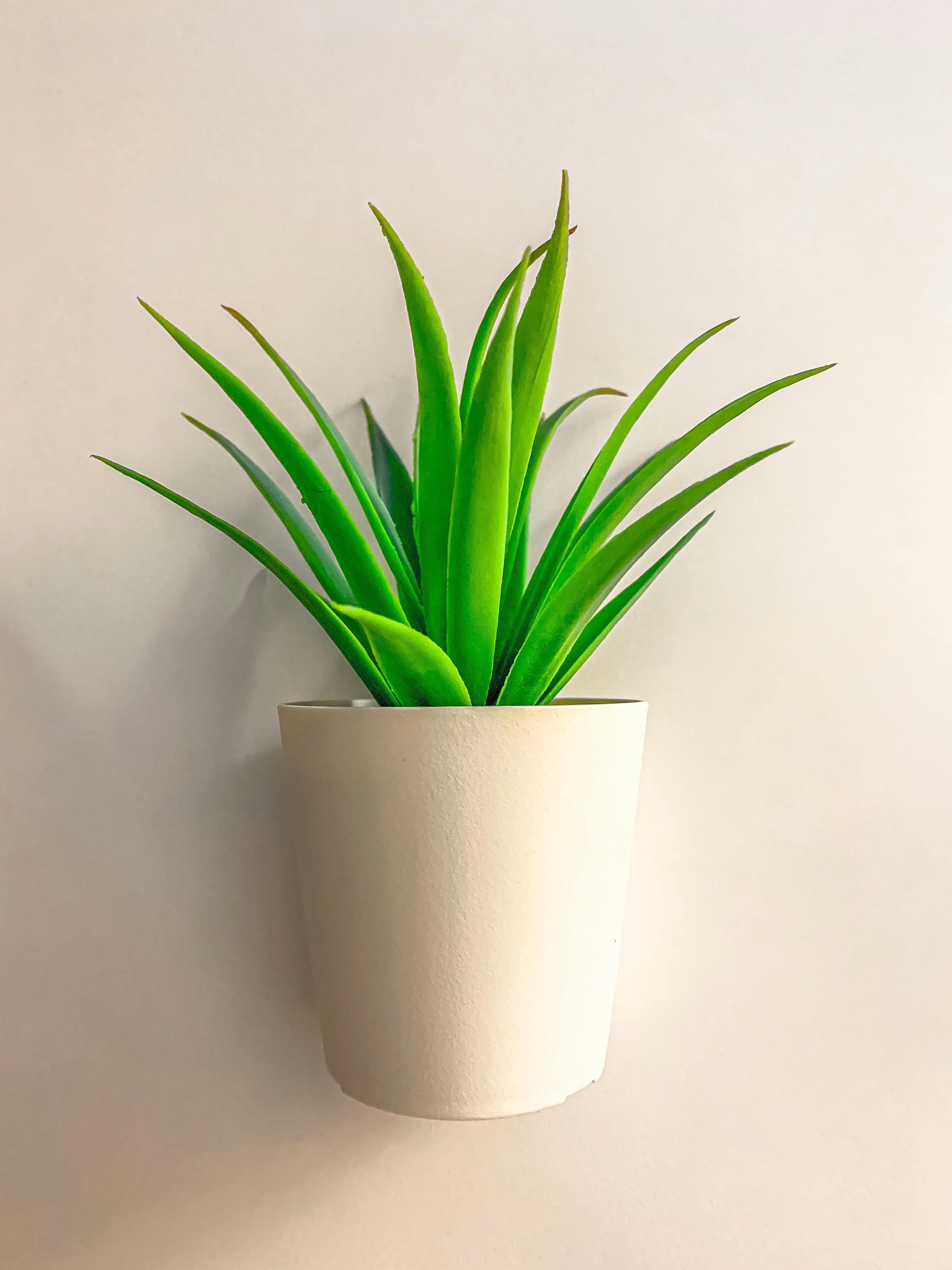
If you’ve ever wanted a plant that’s practically impossible to kill, looks stylish in any room, and even cleans your air while you sleep—the Snake Plant (Sansevieria) is your perfect match. Also known as Mother-in-Law’s Tongue, this plant has earned a reputation as one of the most beginner-friendly and resilient houseplants in the world.
🌱 What Makes the Snake Plant Special?
The Snake Plant is instantly recognizable by its tall, sword-like leaves that grow upright, often with striking green variegation or yellow edges. It’s the kind of plant that makes a statement without needing much attention.
But beauty isn’t its only strength. The Snake Plant is:
Extremely Hardy: Survives in low light, bright light, or even neglect.
Air-Purifying: NASA’s famous study listed it among plants that help remove toxins like formaldehyde and benzene from the air.
Requires very little water and minimal care.
🌞 Ideal Growing Conditions
Light: Snake Plants aren’t picky. They can thrive in low light corners or under bright, indirect sunlight. Outdoors, they do best in partial shade.
Soil: Use a well-draining potting mix (cactus or succulent mix works perfectly).
Temperature: They like warmth. Keep them above 10°C (50°F) for best growth.
Water: Less is more. Water only when the soil is completely dry. Overwatering is the fastest way to kill a Snake Plant.
💡 Tip: If you’re unsure, wait an extra day before watering—it’s safer than overdoing it.
✂️ Care and Maintenance
Watering Schedule: About once every 2–3 weeks indoors. In winter, even less.
Cleaning: Wipe the leaves occasionally to remove dust and let them breathe.
Repotting: Every 2–3 years, when the plant becomes root-bound.
Fertilizer: A light feed with succulent fertilizer during spring and summer encourages growth.
🌿 Benefits of Having a Snake Plant
Air Purifier – Removes toxins and improves oxygen levels indoors.
Low Maintenance – Perfect for busy people, travelers, or forgetful plant parents.
Decor Friendly – Its tall, vertical leaves make it a natural fit for corners, shelves, or offices.
Nighttime Oxygen Producer – Unlike most plants, Snake Plants release oxygen at night, making them great for bedrooms.
🚫 Common Problems (and Quick Fixes)
Yellowing Leaves → Usually from overwatering. Let the soil dry out completely.
Mushy Roots → Root rot. Repot immediately in dry, well-draining soil.
Wrinkled Leaves → Underwatering. Give it a good soak and let it recover.
🏡 Styling Your Snake Plant
Snake Plants are versatile and look amazing in:
Minimalist interiors – Their clean lines fit modern décor.
Bedrooms – Helps freshen the air while you sleep.
Offices – Survives artificial lighting and neglect.
Outdoor patios – Adds a tropical, architectural touch.
Pair them with simple ceramic or woven baskets to make their leaves pop.
If you’re just starting your plant journey—or you simply want a hardy, stylish, and air-purifying houseplant—the Snake Plant is your go-to green companion. It’s a plant that asks for very little but gives back so much, from beauty to cleaner air.