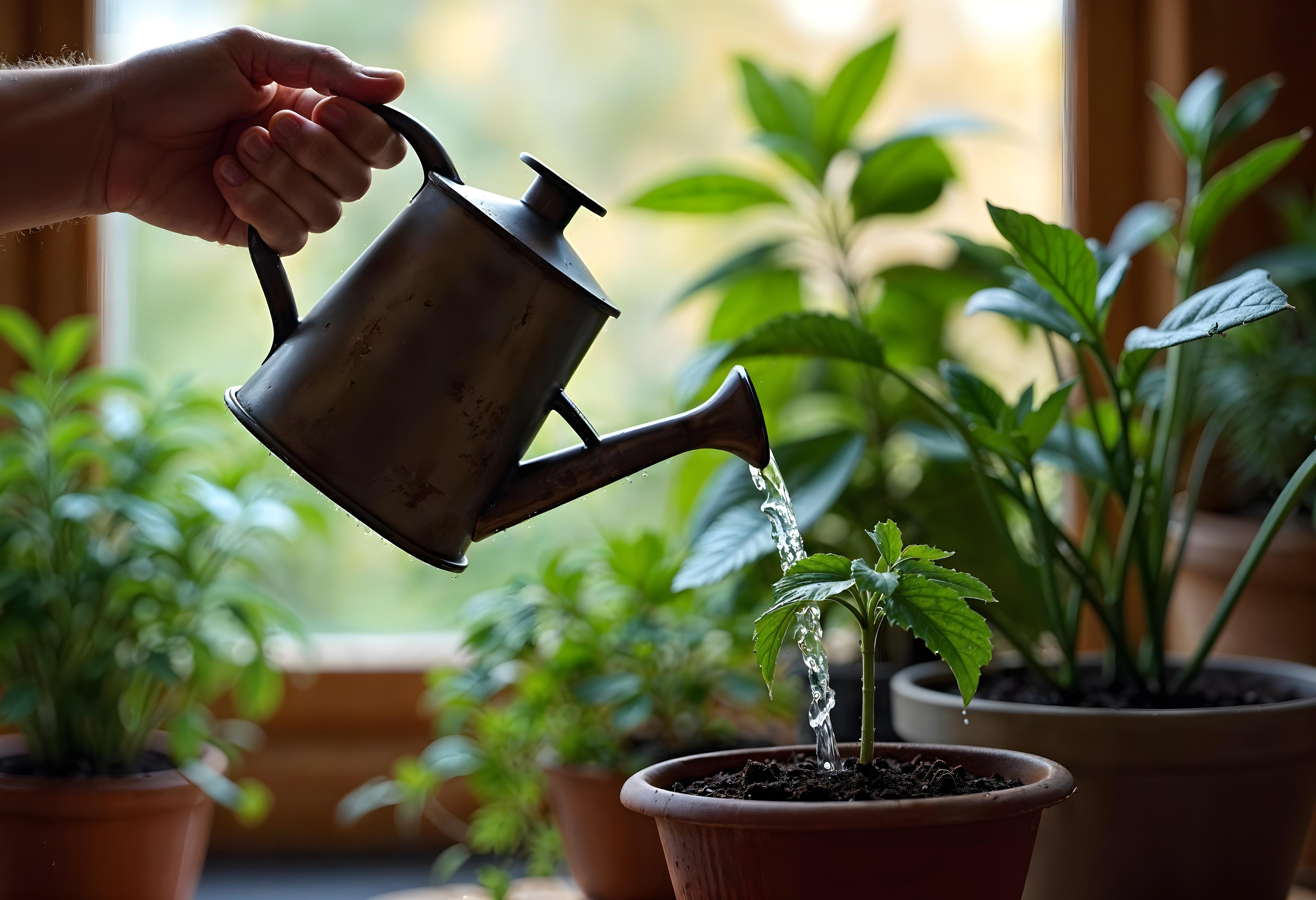
Watering Wisdom: How to Water Plants the Right Way
Learning when and how to water your plants correctly prevents root rot and keeps them thriving indoors.
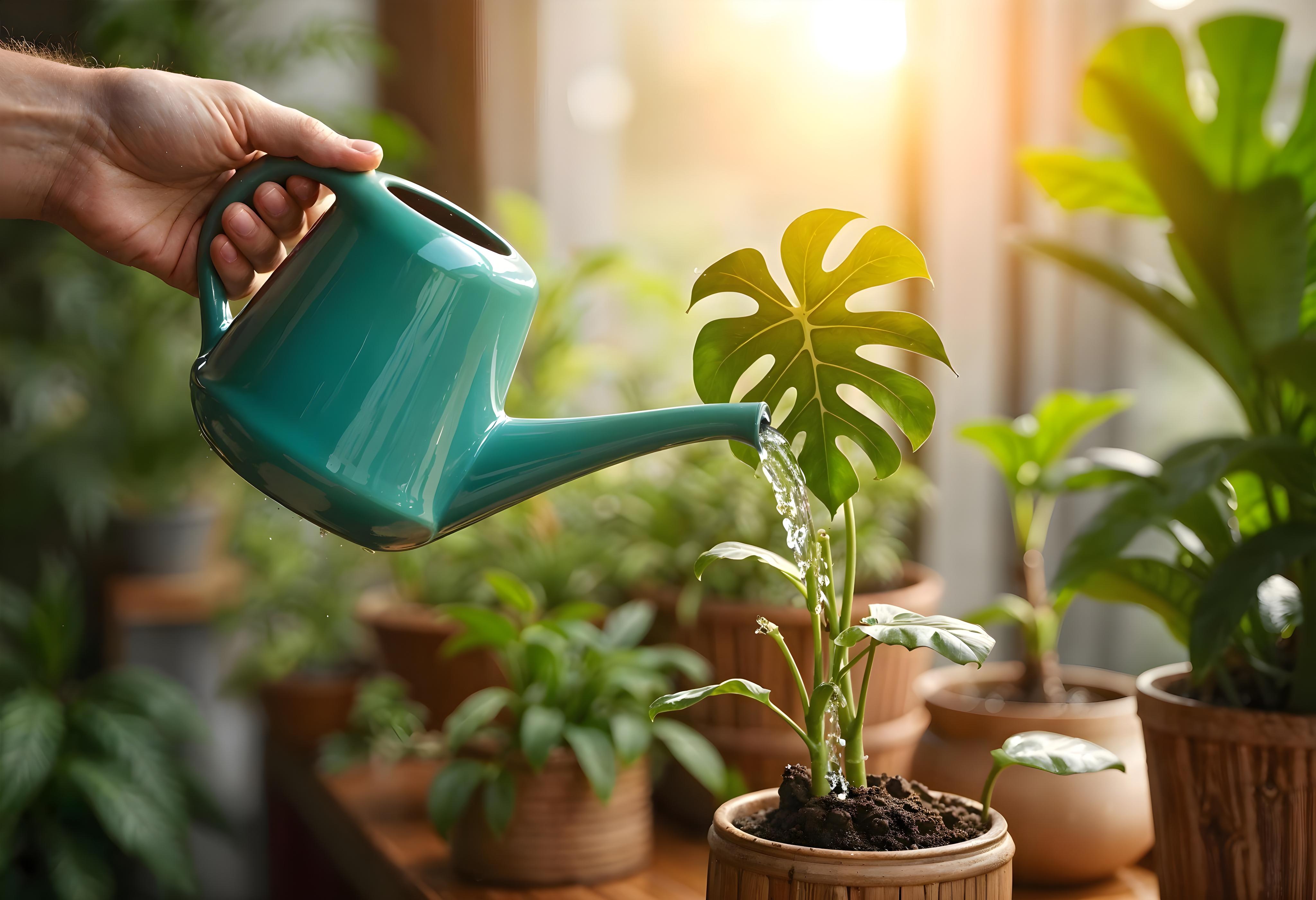
Water keeps plants alive—but watering is also the easiest way to harm them. Most plant problems don’t come from neglect. They come from too much care, too often, at the wrong time.
Watering wisdom is about understanding how plants drink, how roots breathe, and how moisture moves through soil. Once you understand this, watering becomes calm, intentional, and effective.
How Plants Really Use Water
Plants don’t drink water the way people do. Water moves from the soil into the roots, up the stem, and out through the leaves. This flow helps carry nutrients, cool the plant, and support growth.
When soil stays wet for too long, this system breaks down. Roots lose access to oxygen, and water stops moving properly. This is why plants can wilt even when the soil is wet.
Healthy watering supports movement, not saturation.
The Role of Roots in Watering
Roots need both water and air. They grow best in soil that gets wet, then slightly dry again. This cycle strengthens roots and encourages them to spread.
Constant moisture weakens roots and keeps them shallow. Over time, plants become dependent on frequent watering and struggle when conditions change. Strong roots come from balanced watering habits.
Signs Your Plant Is Being Watered Well
Leaves feel firm and upright
Soil dries gradually, not overnight
New growth appears steady and balanced
Healthy watering creates consistency, not rapid changes.
Why Overwatering Is More Dangerous Than Underwatering
Most houseplants can recover from short dry periods. Few can recover from damaged roots.
Overwatering leads to root rot, fungal growth, and nutrient lockout. These issues develop quietly below the soil before any leaf damage appears. By the time leaves yellow or collapse, the roots are already struggling.
Watering less—but better—keeps plants healthier long-term.
Timing Matters More Than Schedules
Watering on a fixed schedule ignores the plant’s environment. Light, temperature, humidity, and season all affect how fast soil dries.
Watering wisdom means checking the soil, not the calendar. Feeling the top layers of soil tells you more than any reminder ever will. Plants in bright light and warm spaces need water more often than those in low light or cooler rooms.
Soil and Drainage: Silent Partners in Watering
Even perfect watering fails in poor soil. Soil that drains well allows excess water to escape while holding enough moisture for roots to absorb slowly.
Containers without drainage trap water and suffocate roots. Good drainage gives you margin for error and keeps watering stress-free.
What You’ll Learn From Watering Wisely
How to water based on plant needs, not habits
Why roots matter more than leaves
How environment changes watering frequency
How to avoid common watering mistakes
Watering is not about control. It’s about observation.
When you slow down and pay attention, plants tell you when they need water. Leaves soften slightly. Soil lightens in color. Growth pauses gently, not dramatically.
Water with intention, and your plants will reward you with stronger roots, healthier leaves, and long-lasting growth.