Soil Nutrition: Feeding Plants From the Ground Up
Choosing the right soil mix and balanced fertilizer helps indoor plants grow stronger with less effort.
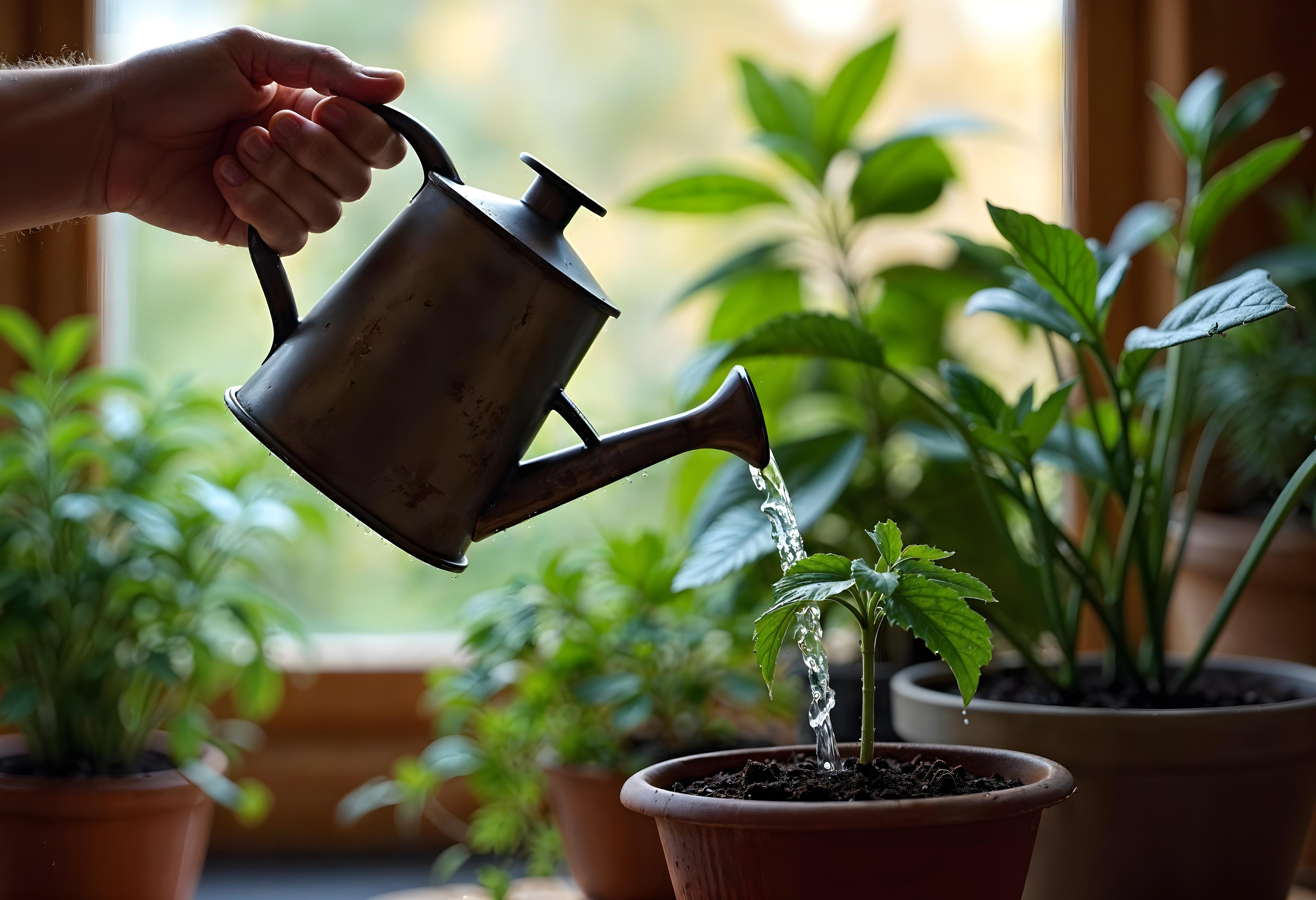
Plants don’t eat the way we do. They don’t need constant feeding. They need access—access to nutrients, oxygen, moisture, and space to grow. All of this begins in the soil.
Soil nutrition is not about adding more. It’s about creating balance. When soil is alive and well-structured, plants take what they need, when they need it, without stress.
What Soil Nutrition Really Means
Soil nutrition is the availability of essential elements that plants use to grow, repair, and protect themselves. These nutrients move through water, enter the roots, and support everything from leaf color to root strength.
Healthy soil doesn’t force growth. It supports it slowly and steadily. When nutrients are out of balance, plants show signs—yellowing leaves, weak stems, slow growth—even if watering and light are correct.
The Relationship Between Soil and Roots
Roots don’t search for food. They grow into it.
Nutrient-rich soil encourages roots to spread, anchor, and strengthen. Poor soil causes roots to stay shallow, limiting the plant’s ability to absorb water and resist stress.
When soil structure is healthy—loose, breathable, and rich in organic matter—roots can access nutrients naturally without strain.
Essential Nutrients and Their Role
Plants rely on a mix of nutrients, each playing a different role in plant health.
Nitrogen supports leaf growth and overall vigor
Phosphorus strengthens roots and supports development
Potassium improves resilience and stress tolerance
When one nutrient is missing or excessive, the plant’s balance shifts. True soil nutrition comes from harmony, not heavy feeding.
Organic Matter: The Life of the Soil
Organic matter feeds the soil, not just the plant. Compost, decomposed leaves, and natural materials improve soil structure and slowly release nutrients over time.
This slow release prevents nutrient spikes that cause weak, fast growth. Instead, plants grow stronger, with deeper roots and thicker leaves that last longer.
Living soil creates long-term plant health, not quick results.
Fertilizing Without Overfeeding
Fertilizer should support soil, not replace it. Overfeeding leads to salt buildup, burned roots, and nutrient lockout—where nutrients exist but cannot be absorbed.
Healthy soil nutrition means feeding gently, during active growth, and allowing the soil time to recover. Less frequent, balanced feeding keeps plants stable and predictable.
Soil Renewal and Long-Term Health
Over time, soil becomes compacted and depleted. Even the healthiest soil eventually needs renewal.
Refreshing soil, adding organic matter, and improving drainage restore nutrient flow. This process is especially important for container plants, where roots have limited space and resources.
What You’ll Learn From Healthy Soil Nutrition
How nutrients support steady plant growth
Why soil structure matters more than fertilizer
How to avoid nutrient burn and imbalance
How to build long-term soil health
Soil nutrition is quiet work. You don’t see it every day, but plants feel it constantly.
When soil is healthy, plants grow with confidence. Leaves hold their color. Roots stay strong. Growth feels natural, not forced.
Feed the soil first, and the plant will follow.