Sunlight Secrets: Understanding How Plants Use Light
Understanding how different light levels affect your houseplants helps them grow strong, healthy, and beautiful indoors.
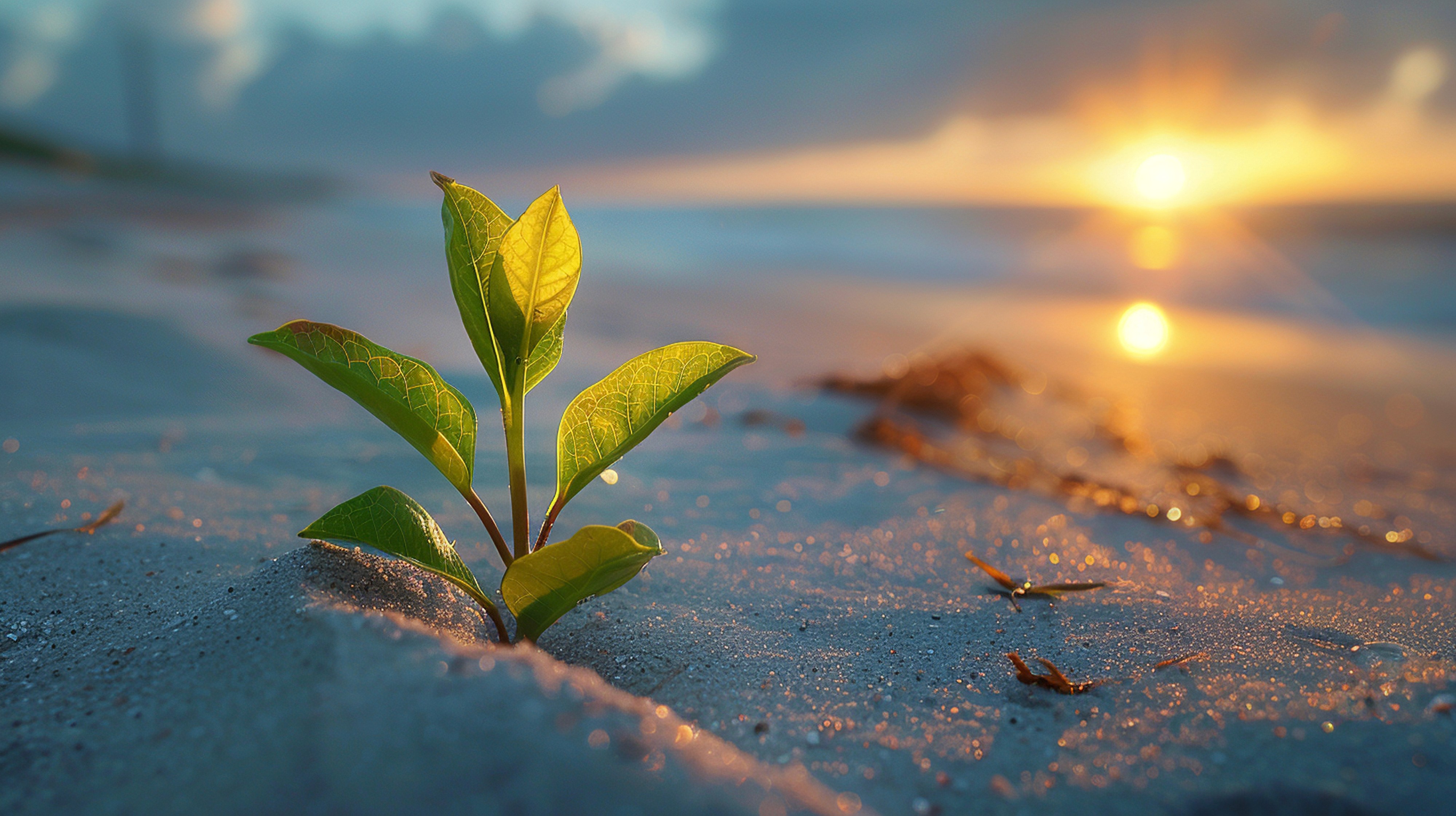
Light is a plant’s energy source. It shapes how a plant grows, how strong it becomes, and how well it adapts to its space. When light is right, plants grow evenly and confidently. When it’s wrong, even the best watering and soil can’t save them.
Sunlight secrets are not about placing plants in the brightest spot. They are about matching light to the plant’s natural rhythm.
How Plants Use Light
Plants use light to make food through photosynthesis. This process fuels growth, root development, and leaf strength. Without enough light, plants stretch and weaken. With too much light, leaves burn and moisture is lost too quickly.
Healthy light exposure creates balance. Growth stays compact, leaves hold their color, and energy is distributed evenly throughout the plant.
Bright, Indirect, and Low Light Explained
Light is not just strong or weak. It changes depending on distance, direction, and time of day.
Bright indirect light supports most houseplants. It gives energy without stress. Direct sunlight is intense and works best for plants adapted to open environments. Low light doesn’t mean no light—it means slower growth and lower energy needs.
Understanding these differences prevents common light-related damage.
Signs Your Plant Is Getting the Right Light
Leaves grow evenly without stretching
Color remains rich and consistent
New growth appears stable, not fragile
Healthy light leads to steady development, not sudden change.
Too Much Light vs Too Little Light
Too much light causes leaf burn, dry patches, and curling edges. Too little light leads to pale leaves, long stems, and weak structure.
Plants rarely die from low light quickly. They slowly lose strength over time. Excess light causes faster damage but is easier to correct once recognized.
Light stress often looks like nutrient or watering issues, but the root cause is exposure.
Seasonal Light Changes
Light changes with the seasons. A bright window in summer may be too intense. The same spot in winter may be barely enough.
Plants respond to these shifts by slowing growth, dropping leaves, or changing shape. Adjusting placement throughout the year supports consistent plant health without changing care routines.
Artificial Light and Indoor Growth
Grow lights can support plant health when natural light is limited. They provide consistency, especially during darker months.
Artificial light works best when placed at the right distance and used for moderate durations. More light is not better—balanced light is.
What You’ll Learn From Understanding Sunlight
How light affects plant structure and energy
Why leaf damage is often light-related
How to adjust plants as seasons change
How to create balance indoors
Light is a quiet teacher. Plants show you how they feel through their growth patterns, not words.
When you understand sunlight, plant care becomes easier. You stop guessing and start observing. With the right light, plants grow naturally, calmly, and beautifully.